For eatery possessors and cookers, sourcing quality meat represents one of the most critical opinions impacting both profitability and character. Purchasing meat in bulk offers substantial cost advantages while furnishing openings to separate your establishment through superior constituents and transparent sourcing stories. still, navigating the noncommercial meat request requires understanding supplier connections, quality norms, storehouse logistics, and nonsupervisory compliance. This comprehensive companion walks eatery professionals through everything demanded to establish dependable bulk meat sourcing that enhances menu quality, controls costs, and builds client trust. Whether you are opening a new steakhouse, managing an established boîte, or running a ranch- to- table conception, learning bulk meat procurement is essential for long- term success in the competitive eatery assiduity.
Understanding Restaurant Meat Sourcing Options
Restaurant meat sourcing generally follows several pathways, each with distinct advantages and considerations. Traditional broadline distributors like Sysco and US Foods offer convenience through expansive product lines, regular delivery schedules, and predictable pricing. still, their luxury structures and standardized products limit both cost savings and menu isolation openings. Specialty meat distributors give advanced- quality products with better traceability, frequently featuring decoration grades, heritage types, and specialty cuts. These suppliers generally work with caffs concentrated on quality over price, offering moxie and customization that broadline distributors can not match. The trade- off comes in advanced prices and occasionally less flexible delivery schedules.Direct sourcing from granges, granges, and recycling installations represents the ultimate in cost savings and quality control. By barring mediators, caffs can secure ultraexpensive meat at competitive prices while erecting compelling sourcing stories that reverberate with moment’s conscious consumers. This approach requires more active operation but delivers the stylish perimeters and topmost menu isolation.
Cooperative copping through eatery groups or buying clubs combines bulk pricing advantages with participated logistics, making direct sourcing accessible indeed for lower establishments. numerous successful caffs blend these approaches, using distributors for commodity particulars while direct- sourcing hand proteins that define their identity.
Assessing quality norms and instruments
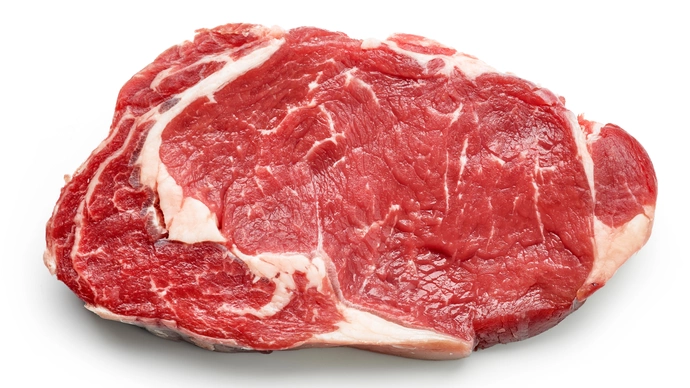
Quality assessment begins with understanding USDA grades and what they reveal about meat characteristics. Prime grade, with its abundant marbling, delivers the richest flavor and tenderheartedness that fine dining establishments bear. Choice grade offers excellent quality at lower cost points, suitable for utmost casual andmid-range generalities. Select grade provides slender meat that, while lower tender, works well for specific medications and budget-conscious operations.Beyond USDA grades, instruments communicate important quality signals to both staff and guests. pukka Angus Beef and analogous brand programs guarantee specific strain genetics and quality norms. Organic instrument verifies no synthetic fungicides, hormones, or antibiotics were used in raising. Lawn- fed instruments indicate pasturage- grounded diets, though norms vary between certifying bodies.
Beast weal instruments like Certified Humane, Animal Welfare Approved, and Global Animal Partnership conditions address growing consumer enterprises about ethical treatment. These instruments bear third- party checkups vindicating specific weal norms throughout creatures’ lives. For caffs situating themselves around sustainability and ethics, similar instruments give believable third- party confirmation.
Understanding these quality pointers allows you to match sourcing opinions with your conception, target request, and price points. A decoration steakhouse requires different specifications than a casual burger joint, and your sourcing strategy should reflect these distinctions easily.
Structure Strong Supplier Connections
Successful bulk meat sourcing relies heavily on strong supplier hookups. Whether working with distributors or direct sources, cultivating connections grounded on collective respect, clear communication, and trustability ensures harmonious quality and favorable terms.Begin by completely vetting implicit suppliers. Visit installations when possible to observe handling practices, storehouse conditions, and functional professionalism. Request references from other eatery guests and corroborate licenses, instruments, and insurance content. Understand their delivery capabilities, minimal order conditions, and backup plans for force dislocations.
Communicate your requirements explicitly. give detailed specifications including grades, cuts, portion sizes, and packaging preferences. bandy volume protrusions actually so suppliers can plan consequently. Establish clear quality norms and procedures for handling issues when they arise — returns, credits, and complaint resolution processes should be agreed upon before problems do.
Negotiate courteously but fairly. While price matters, trustability, quality thickness, and responsive service frequently prove more precious than gemstone- bottom pricing. Long- term hookups grounded on fair haggling benefit both parties further than squeezing every penny from deals.
Pay on time and honor commitments. caffs that constantly meet scores earn precedence treatment during force dearths and lesser inflexibility when needs change. Your character as a dependable client directly impacts the service quality you admit.
Managing Storage and Inventory Effectively
Cost Analysis and Menu Engineering
Navigating Regulations and Compliance
Restaurant meat sourcing must misbehave with multitudinous regulations guarding food safety and consumer interests. All meat suppliers must operate under USDA examination or state coequals. corroborate suppliers maintain current licenses and examination conditions. Request clones of their HACCP plans and attestation of temperature control during transportation.Understand the distinction between USDA- audited and custom-pure meat. Only USDA- audited meat can be served in caffs — custom-pure processing serves individual consumers only. This distinction matters when considering direct estate sourcing, as you will need to insure estate mates use duly audited installations.
Maintain scrupulous records of all meat purchases including supplier information, delivery dates, lot figures, and temperature logs upon entering. These records prove essential during health examinations and enable effective trace- reverse if impurity issues arise. utmost authorities bear maintaining records for specific ages, generally 90 days or longer.
Staff training on food safety represents an ongoing compliance demand. pukka food directors should oversee meat running, and all staff should understand proper storehouse, medication, and service procedures. Regular training routines keep food safety top- of- mind and demonstrate your commitment to compliance during examinations.

Influence Original Sourcing for Competitive Advantage
moment’s beaneries decreasingly value translucency about food sources and support for original husbandry. caffs featuring locally sourced meat can command decoration prices, make pious entourages, and induce positive press content. This positioning requires authentic connections with near granges and granges, not just selling claims.Document your sourcing stories with prints, estate visits, and detailed supplier information you can partake through menus, websites, and social media. guests appreciate knowing the families and granges behind their refections. Some caffs feature rotating” estate mate” biographies that punctuate specific suppliers and their practices.
Original sourcing frequently provides fresher products with smaller transportation impacts. Shorter time between processing and service means better flavor and texture. Environmental conscious consumers appreciate reduced food long hauls and support for indigenous food systems.
Consider seasonal menu adaptations that reflect original vacuity. Spring angel, lawn-finished summer beef, and other seasonal immolations produce expectation and variety while demonstrating authentic original connections. This approach requires inflexibility but rewards caffs with distinctive, timely menus that feel connected to place and season.
Comments
Post a Comment